

Thomas Hobbes, the English philosopher referred to them variously as ‘savages’, ‘aboriginal’ and ‘primitives’. A prevailing Hobbesian view tended to believe that the early colonizers of new worlds had a duty to civilize and modernize the indigenes or the local populace that they encountered. This story of conquest, subjugation and partial recognition has been repeated multiple times around the world. The story rings true from the Tuaregs of West Africa to the Inuit of North America to the Ādivāsīs of India to the Chukchi of the Arctic (among others).
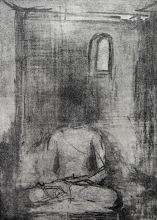
This painting that I completed of an unknown indigenous person represents just that - the product of an environment that partly recognizes them, yet keeps on the fringes in settlements and reservations designed so that the ‘indigenous’ cause minimal disruptions to our daily lives.
Title: ‘Tangata whenua’
Size: 4 feet high X 3 feet wide
Medium: Oil on canvas
